
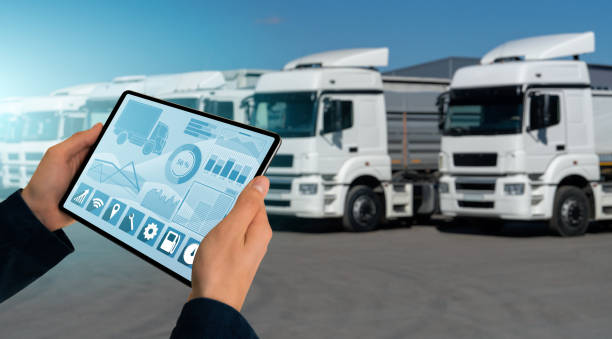
Discover the surprising tool that's saving companies millions overnight by transforming how they manage fleets! What once took hours now happens in seconds, thanks to cutting-edge technology.
In today's fast-paced business world, efficient fleet management can make or break a company. As environmental concerns grow, optimizing every vehicle's route and function has never been more crucial.
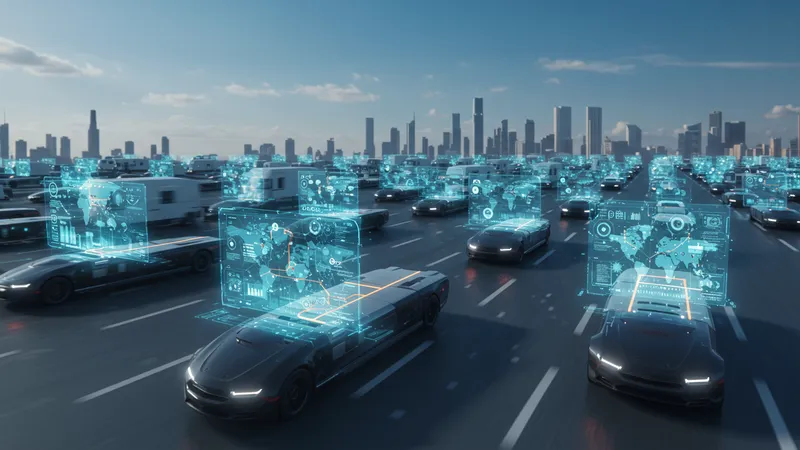
It might shock you to learn that some companies still rely on outdated methods for their fleet management. We're talking about being stuck in a technology rut, costing them not just money but countless lost hours. But the revelation that it's not only small businesses lagging behind will astonish you. Even industry giants are sometimes guilty, failing to harness the potential of modern tools to streamline operations.
But that’s not even the wildest part… And if you think innovation ends at cost-saving, you're in for a rollercoaster of revelations that could revolutionize how you perceive fleet management forever. Imagine the impact on the environment and economy when insights are enhanced. What happens next shocked even the experts…
Fleet management doesn't just save companies money; it plays a pivotal role in reducing carbon footprints. In fact, recent studies reveal that optimizing routes can cut emissions by up to 30%, a statistic that puts environmental efforts into high gear. It's a ripple effect that starts with a single software update but ends with tangible global benefits. And it’s not just the earth that's reaping the rewards. Companies that prioritize eco-friendly solutions are seeing increased customer loyalty.
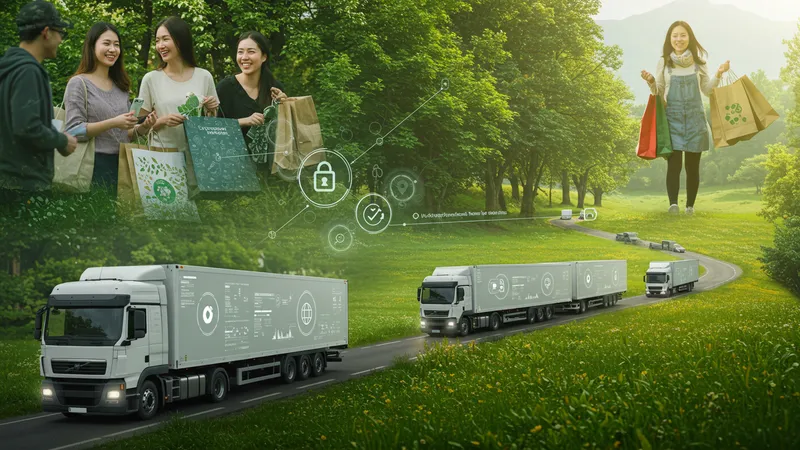
But there’s one more twist… Companies are discovering that consumers are willing to pay a premium for brands that actively reduce their environmental impact, thus turning sustainability efforts into a lucrative business strategy. Suddenly, fleet management is not just about transportation efficiency but also about ethical business models. Now, top brands are racing to out-green each other, each hoping to win over eco-conscious customers. What does this mean for future business landscapes?
Incorporating advanced telematics solutions aids in tracking not only fuel usage but vehicle maintenance needs. This proactive approach to maintenance means fewer breakdowns, which in turn means fewer pollutants sneaking into our atmosphere. And that’s just the start; some companies have integrated these systems directly into their CSR strategies to highlight their commitment to environmental responsibility. The landscape of fleet management is truly shifting under our feet.
What you read next might change how you see this forever. As more advanced AI tools emerge, anticipatory logistics could become the new norm, predicting needs before they arise, much like a well-oiled machine on autopilot. Imagine a world where your fleet management is predicted and optimized without lifting a finger. Stay tuned to see how close we are to this reality and who’s already making strides in this direction…
At the frontier of fleet management, AI and machine learning are not just buzzwords - they're revolutionizing the industry in ways previously thought impossible. Predictive analytics now allow fleet managers to anticipate vehicle failures before they occur, slashing downtime and costs associated with breakdowns. Imagine the power of foreseeing maintenance needs and scheduling repairs before they impact operations. It’s not sci-fi; it’s happening now, with leading companies setting the standard.
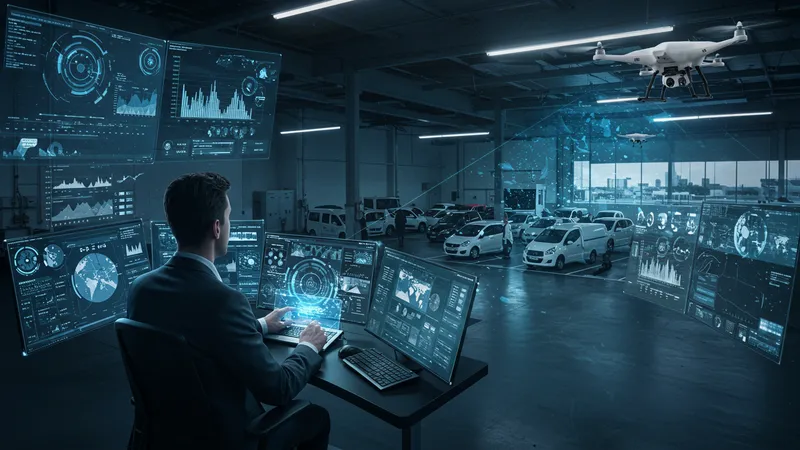
Delve deeper, and AI’s footprint goes beyond mere predictions. Machine learning algorithms can process vast datasets to identify patterns and optimize routes for improved efficiency and reduced fuel consumption. This kind of data crunching was once a cumbersome manual task, but now it's executed in seconds, providing real-time insights that lead to actionable improvements. The fascinating part? Some companies are now utilizing drones paired with AI as part of their fleet monitoring arsenal.
But there’s more... As technology evolves, so do the possibilities. The integration of AI means fleets can now learn driver habits and implement changes to promote safer driving practices. Imagine a system that not only monitors driving behavior but offers real-time coaching to improve safety and efficiency in real-time. Companies are already reporting significant drops in accident rates and insurance costs, leading to a safer work environment.
The next surprise reveals the incredible adaptability and scalability of these solutions. Small businesses, often limited by budgets, are finding their footing with affordable AI-infused management tools. Previously bound by their operational size, they're experiencing growth and efficiency that rivals large corporations. Discover how the playing field is balancing out as you continue this journey through cutting-edge fleet management solutions…
When considering fleet management solutions, the focus often lands squarely on visible costs: fuel, insurance, and maintenance. However, hidden expenses lurk in shadows, threatening the bottom line if not addressed. These include indirect costs associated with inefficient scheduling, unexpected overtime, and even compliance-related fines. Would you believe that one of the largest hidden costs is poor communication?

Miscommunications within fleet management can result in a cascade of errors, from wrong deliveries to missed appointments, each causing a ripple of lost revenue and wasted time. Effective communication platforms are now in high demand, allowing seamless interactions between drivers and dispatchers. It's like giving your fleet a voice, and that voice fosters efficiency and minimizes costly mistakes.
There’s still an overlooked budget sucker: underutilized assets. Fleets sometimes operate with more vehicles than needed, leading to depreciation and unnecessary insurance costs. Real-time asset tracking sheds light on utilization rates, helping companies make informed decisions on right-sizing their fleets. It's a game-changer that stresses less is more, especially in this context.
And if you think we’ve covered all the angles, wait until you see how these hidden costs morph with technological advances. With every leap forward, what was once insignificant grows in importance, demanding attention and strategy. By addressing these elusive financial drains, companies can achieve unexpected savings and competitiveness. But what innovations are further reducing overheads? Keep reading to uncover the future reveals in our deep dive into fleet management advancements…
An often underestimated aspect of fleet management is the power of synchronization. The smooth coordination between departments ensures that everything operates like clockwork. However, this harmony is more of an art than a science, reliant on interdepartmental communication and the seamless integration of new technologies. It’s in practicing this art that organizations find unexpected savings and operational efficiencies.
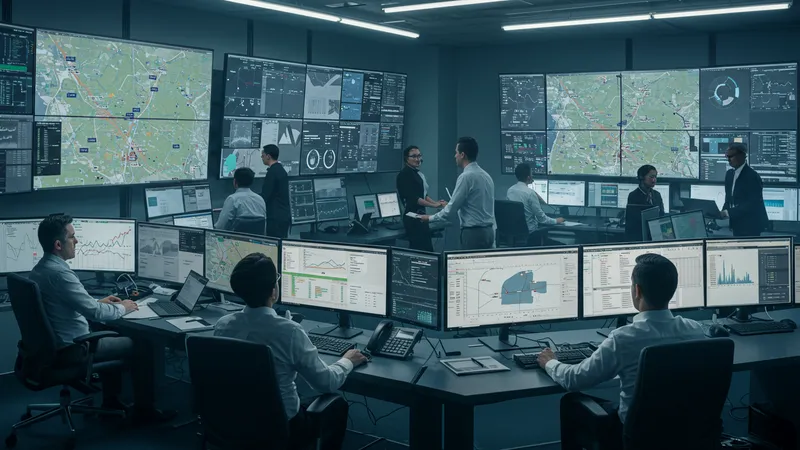
Many businesses have been blindsided by operational silos, unknowingly harboring inefficiencies and communication gaps. Eliminating these silos involves embracing integrated platforms that unite all facets of fleet management—tracking, billing, reporting—under one roof. It’s an orchestra of operations where all players are in sync, leading to fewer mistakes and more streamlined processes.
Some might think they've mastered this integration, but without the right tools, many are only scratching the surface. Cutting-edge solutions are paving the way with centralized dashboards that offer holistic views and insights across departments. Businesses can respond in real-time to challenges, reducing downtime, and streamlining operations beyond traditional boundaries.
Imagine an entire fleet management ecosystem working seamlessly toward a single goal. Every insight shared and problem solved collectively boosts overall operational performance. The intersection of technology and coordination is fast becoming the linchpin of modern fleet success. Prepare to delve into how synergies peer into the future, shaping the landscape of fleet operations even further…
As the world continually evolves, so too does the landscape of fleet management. The integration of electric vehicles (EVs) signals a new era, where fleets not only adapt to new technologies but also redefine what’s possible. EVs are proving cost-effective in the long term, shaking up traditional calculations associated with fleet ownership and environmental impact.

But there's another glimpse into the future—autonomous vehicles. Although still in nascent stages of public acceptance, they're poised to revolutionize the industry. Imagine a fleet that operates around the clock without human intervention, optimizing routes and reducing costs by eliminating driver-related expenses. It sounds incredible, yet it's closer to reality than ever before, with ongoing trials sparking industry-wide interest.
Yet, it's not just about the vehicles. Innovations in fleet scheduling and logistics bring predictive and adaptive systems to the forefront—where patterns are predicted, and responses are more intuitive than ever. The ongoing shift towards subscription models rather than ownership reflects a broader trend in how businesses view asset management.
As these technologies mature, so does our understanding of fleet possibilities. It’s a future where fleets are seamless extensions of organizational strategy, aligning perfectly with business goals. What does this mean for your business? Continue exploring to uncover how these insights can drive your success forward…
At the core of modern fleet management lies telematics—the science of long-distance data transmission. It’s a game-changer that’s been quietly transforming how fleets operate. By harnessing telematics, companies are now able to monitor vehicle whereabouts, analyze driver behaviors, and offer real-time data insights—all from a single dashboard. It’s precision management at its finest, enabling informed decision-making faster than ever before.

Telematics systems record and transmit data regarding vehicle location, speed, idling, and fuel consumption, to name a few. This treasure trove of information, when properly analyzed, unveils new ways to boost efficiency and reduce costs. But the catch is in the interpretation; without the right analytical tools, data overload can quickly overwhelm, turning a technological asset into a burden.
The real power of telematics lies in its integration with other systems. From maintenance scheduling to route optimization, these smart technologies enable fleets to take a proactive approach. Predictive maintenance leverages telematics, anticipating vehicle needs before failures occur, resulting in unprecedented consistency and fewer unplanned outages.
For companies still on the fence, understanding telematics isn't just about the present but securing a competitive edge for the future. Dive deeper to understand how telematics will integrate seamlessly with evolving fleet management solutions, ensuring that organizations stay ahead of the curve in an increasingly complex and dynamic environment…
One of the paramount challenges within fleet management is ensuring driver safety. With on-road accidents accounting for a significant portion of operational costs, safeguarding drivers has become a top priority. Comprehensive fleet management solutions now incorporate safety protocols that not only supervise but actively coach drivers, reducing risk and enhancing safety records.
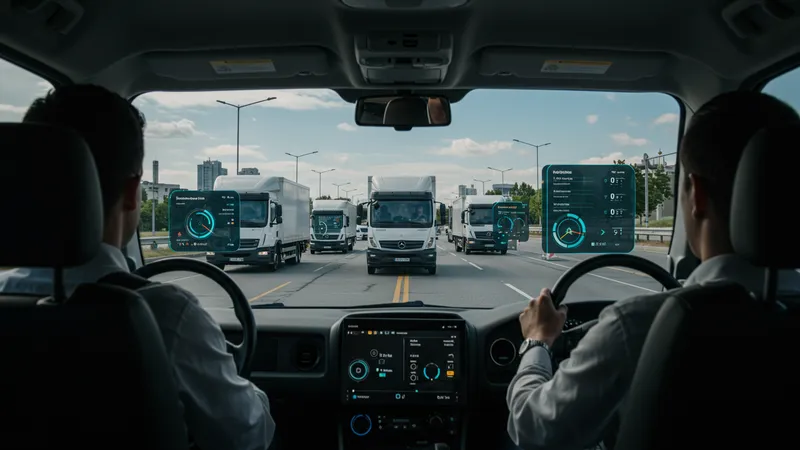
Telematics contributes significantly to this with features like real-time feedback on driving habits, encouraging safer driving practices. Systems alert management teams when drivers exhibit dangerous behaviors like speeding or braking abruptly, paving the way for corrective action in real-time. It’s like having a safety coach in every seat.
Additionally, driver safety programs have extended beyond digital feedback. Instructor-led training, coupled with simulated driving programs, prepares drivers for unexpected situations. These holistic approaches, blending technology and training, have seen a remarkable impact, with some companies reporting up to a 70% reduction in accidents.
It doesn't end there. Safety plays a vital role in attracting competent drivers in a competitive market. Companies known for their commitment to driver welfare often have an edge in hiring, leading to lower employee turnover. Stay tuned as we further explore how these approaches have shaped the fleet management landscape, delivering safety and value across the board…
Real-time fleet tracking bridges the gap between fleet visibility and operational efficiency. With GPS and telematics working in tandem, companies gain unprecedented access to vehicle location, fuel consumption, and compliance particulars. It’s a shift from static reports to dynamic, living data—empowering managers to make decisions that positively impact day-to-day operations.

Companies utilizing these systems have reported increased fleet utilization and reduced operational costs. By knowing precisely where every vehicle is at any moment, unexpected delays can be anticipated and navigated, ensuring high service levels and customer satisfaction. Real-time insights translate into a tangible competitive advantage in an increasingly demanding market.
But that’s not all; compliance goes far beyond mere tracking. With regulations becoming stricter across industries, real-time monitoring ensures companies meet their obligations, avoiding costly fines and maintaining an untarnished reputation. Fleet managers can run compliance reports on-demand, streamlining what was once a labor-intensive task.
Real-time tracking is more than just a tool; it’s a strategic ally that helps circumvent challenges and optimize operational flows. What’s next in this unstoppable evolution? Continue reading to see how this technology is revolutionizing variable parameters, turning unpredictability into precision…
High turnover rates are an oft-overlooked crisis in fleet management, leading not just to recruitment costs but also to interrupted service and lost expertise. Acknowledging the gravity of this issue, businesses are pivoting towards solutions that bolster employee satisfaction and retention, starting with the adoption of technology.
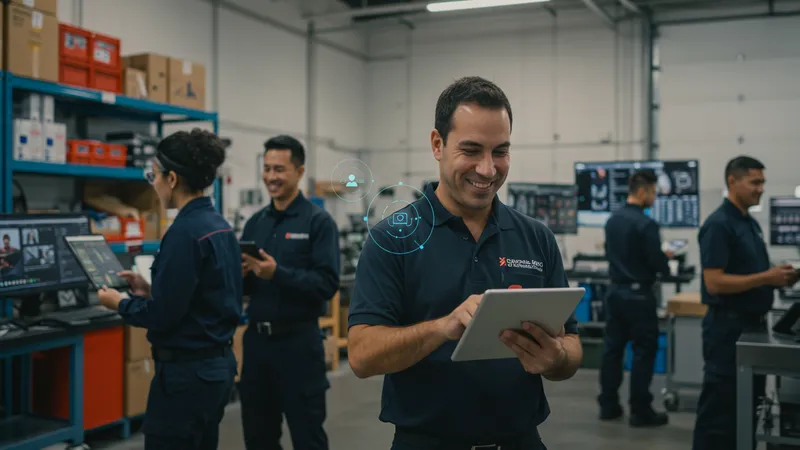
Driver-friendly technologies are key, providing all the necessary tools to make daily tasks easier and more efficient. From intuitive apps to seamless communication with dispatch, these technologies save time and reduce frustration. Happy employees are often long-term employees, which translates to increased stability and reduced costs.
Meanwhile, a focus on workplace culture and benefits has resulted in better retention figures. Competitive salaries, comprehensive benefits, and recognition programs position companies as desirable employers. In fact, transparency and open communication channels are at the heart of this retention success, promoting engagement and loyalty.
Reducing fleet turnover isn't just an operational benefit but a business necessity. As the marketplace becomes more competitive, having a high-caliber team can make or break success. Find out how industry leaders maintain their talent pool and optimize human capital alongside fleet assets—explore further…
The landscape of fleet management is continuously evolving, and keeping up with emerging trends is crucial for businesses to remain competitive. One such trend is the shift towards sustainability, where fleets are investing in electric and hybrid vehicles to reduce their environmental footprint. This not only aligns with global environmental goals but also offers long-term cost benefits in terms of fuel savings.
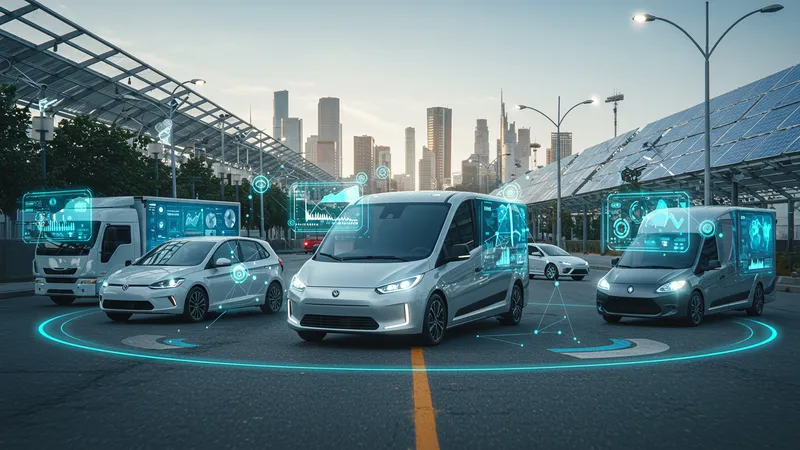
Another significant trend is the advancement in technology, particularly AI-powered analytics and real-time data processing. These tools provide managers with powerful insights to make informed decisions, from optimizing routes to performing predictive maintenance. The proliferation of the Internet of Things (IoT) has further enhanced connectivity, allowing seamless integration of fleet systems for better tracking and management.
Mobility-as-a-Service (MaaS) is also gaining traction. This approach offers flexibility by allowing businesses to operate vehicles on a subscription basis rather than ownership. It’s a cost-effective alternative that’s gaining popularity among businesses looking to streamline costs and eliminate the burden of vehicle ownership.
Finally, the role of telematics in enhancing safety and compliance can’t be understated. By providing real-time insights, telematics help ensure regulatory compliance while actively promoting safer driving habits. As these trends continue to redefine the industry, it becomes ever more important to stay informed about what the future holds. Read on to explore these innovations, and prepare for the changes ahead...
Managing a fleet is fraught with complexities, from navigating high operational costs to ensuring compliance and safety. However, innovative solutions are emerging to tackle these challenges head-on. A major obstacle for many businesses is incorporating technological upgrades, but this is crucial to stay competitive in a rapidly evolving market.
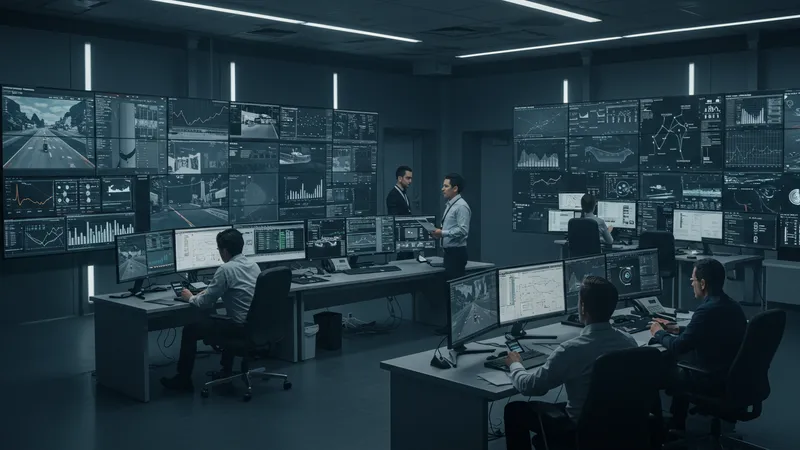
Another significant challenge is data management. As fleet systems become increasingly complex, the ability to manage, analyze, and interpret data becomes ever critical. Businesses that harness this data can make informed decisions that improve efficiency and reduce costs. Advanced analytics tools can help managers identify trends, predict future needs, and make adjustments in real time.
Training and development are equally vital. Maintaining skilled drivers who are committed to safety and operational excellence requires ongoing training and development programs. Such initiatives ensure compliance with regulations and encourage best practices, leading to improved safety outcomes and reduced incidents.
Finally, adaptability is essential to overcoming these challenges. As the industry faces shifts in technology, regulations, and consumer demands, businesses must be agile to adjust their strategies and operations accordingly. With the right approach and tools, these challenges can be transformed into opportunities for growth and success. Discover how industry leaders are navigating this complex landscape with new strategies and insights—read on…
As 5G technology continues to roll out across the globe, its impact on fleet management is set to be revolutionary. One of the most immediate benefits of 5G is faster data transmission, enabling real-time communication and decision-making. This is especially critical for industries where timely insights can mean the difference between operational success and costly delays.

The increased bandwidth offered by 5G facilitates more comprehensive telematics and IoT integration, meaning fleets can leverage state-of-the-art sensors for enhanced vehicle monitoring. This step-up in connectivity allows for precision tracking, detailed diagnostics, and improved predictive maintenance tools, reducing downtime and maintenance costs.
In addition to practical benefits, 5G is set to enhance safety protocols. Fleet managers can implement advanced systems that monitor driver behavior, providing real-time feedback and alerts to both the driver and the team. By catching safety issues early, these systems can actively reduce accidents and enhance overall road safety.
The potential for automation is also expanded with 5G, as faster communication infrastructures make the use of autonomous vehicles more feasible. This technological advancement stands to redefine logistics, transforming fleet operations with possibilities for unprecedented efficiency. Continue to explore how these groundbreaking technologies are poised to transform industry standards and bring fleets into a new era…
Fuel management has long been a critical component of fleet operations, but advancements in technology are transforming how this is accomplished. Fuel cost, a significant issue for most fleets, is being tackled with innovative tracking and management systems that provide comprehensive usage analytics and identify potential savings opportunities.

Utilizing telemetry, fleets can now monitor fuel consumption in real-time, pinpointing inefficiencies and enabling smarter route planning. This approach not only reduces fuel costs but can also enhance vehicle performance and extend the lifespan of the fleet. Streamlining fuel consumption has a ripple effect, bolstering overall operational efficiency.
Newer solutions also involve dynamic fuel purchasing strategies, allowing managers to capitalize on fluctuating fuel prices. By buying strategically, fleets save substantial operational costs while maintaining consistent levels of service and performance. It’s an approach that integrates data-driven insights for maximum financial gain.
Moreover, integrating fuel management with broader fleet operations offers a cohesive view of fleet efficiency, driving competitive advantages. As these technologies develop further, they promise even greater control over one of the most variable cost components in fleet management. Read on to discover how these emerging trends are changing the way fleets manage fuel, pushing operational boundaries, and boosting profit margins…
With climate change concerns reaching unprecedented levels, sustainability in fleet management is no longer optional—it's imperative. The introduction of hybrid and fully electric vehicles into fleets marks a significant step toward reducing the environmental impact associated with traditional gasoline-powered fleets.

Integrating eco-friendly vehicles isn’t just about meeting environmental regulations; it also presents cost-saving opportunities. While upfront costs can be higher, the long-term reduction in fuel and maintenance expenses makes these vehicles attractive investments. Government incentives and rebates are further sweetening the deal, encouraging businesses to go green.
Additionally, eco-friendly fleet initiatives improve company image. As consumers become more eco-conscious, businesses that prioritize sustainability are viewed more favorably, often winning customer loyalty and boosting brand reputation. This shift represents a strategic blend of corporate responsibility and economic advantage.
To further maximize sustainability efforts, innovative systems for tracking and reducing carbon emissions are increasingly embedded within fleet management systems. As climate regulations tighten, fleets equipped with these technologies will find themselves better positioned to adapt, ensuring compliance and safeguarding operations. Continue to uncover how businesses are leveraging sustainable practices to remain competitive and align with the global environmental agenda…
The unexpected turns and twists in fleet management continue to unfold with every advancement in technology. Each discovery further cements the integral role of these solutions in shaping future transportation and logistics landscapes. Share this journey with your peers or dive deeper by implementing these insights. Start transforming your fleet's potential today!