
Routine air conditioning (AC) service encompasses a series of technical inspections, cleanings, and minor adjustments aimed at maintaining the reliability, safety, and energy performance of cooling systems. This service approach is designed to detect operational inefficiencies, prolong equipment lifespan, and help ensure that system components function within recommended parameters. Key insights into routine care focus on preventative measures and the performance monitoring of core system parts, rather than responding only to breakdowns. As AC units are used seasonally or year-round depending on climate, regular maintenance may provide measurable improvements in both functional efficiency and occupant comfort.
Professionals involved in AC servicing typically concentrate on tasks such as checking refrigerant levels, inspecting filters, and testing system controls. These actions help identify potential issues before they escalate and can reduce the likelihood of unexpected malfunctions. Routine care also generally includes guidance on appropriate system usage and early warning signs that may indicate a decline in performance. The intent is to maintain optimal operation rather than pursue occasional, reactive repairs.
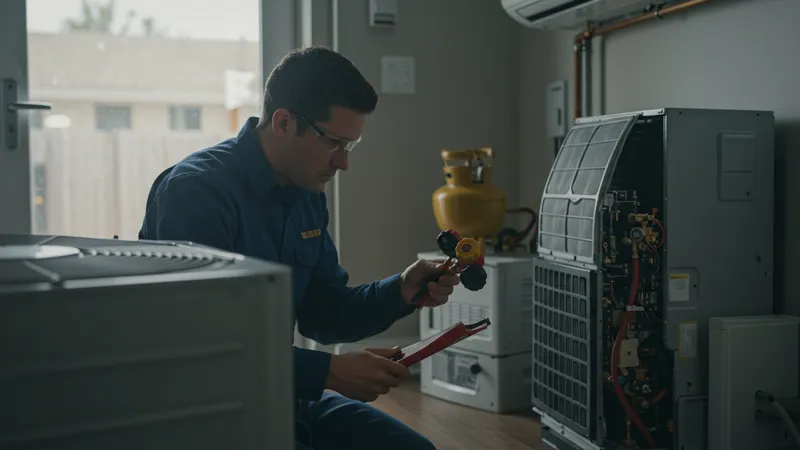
Routine AC service differs from emergency repairs by emphasizing continual monitoring and gradual improvement rather than single-event fixes. Visual inspection and cleaning may remove accumulated dust or debris, which can contribute to efficient airflow and system reliability. These activities are widely regarded as a foundational step in maintaining system integrity without major component intervention.
Refrigerant level monitoring is a specialized practice that focuses on the pressurized substance responsible for heat transfer. Typical service includes identifying possible leaks or assessing system charge levels according to manufacturer specifications. Such checks may prevent both energy waste and potential environmental concern if refrigerant escapes.
Filter replacement is another core component of regular service, as filters tend to capture dust and airborne particulates during operation. Over time, clogged filters may impede airflow, causing the system to operate less efficiently. Service providers usually recommend filter changes at intervals suggested by manufacturers, but usage patterns may influence the required frequency.
In summary, these examples illustrate foundational practices of AC service that emphasize prevention, system health, and energy management. The outlined procedures are commonly referenced and are representative of a typical maintenance session. The following sections examine operational, technical, and performance considerations associated with these key AC service components in further detail.
Inspection is a central component of AC service, typically involving a systematic review of major and minor system parts. Technicians may use visual assessment, temperature readings, and electrical measurements to assess conditions. This holistic approach can highlight early indicators of wear, corrosion, or blockage within key components such as coils and drain lines. The process often incorporates established maintenance guides to standardize reporting and support continuity between service sessions.
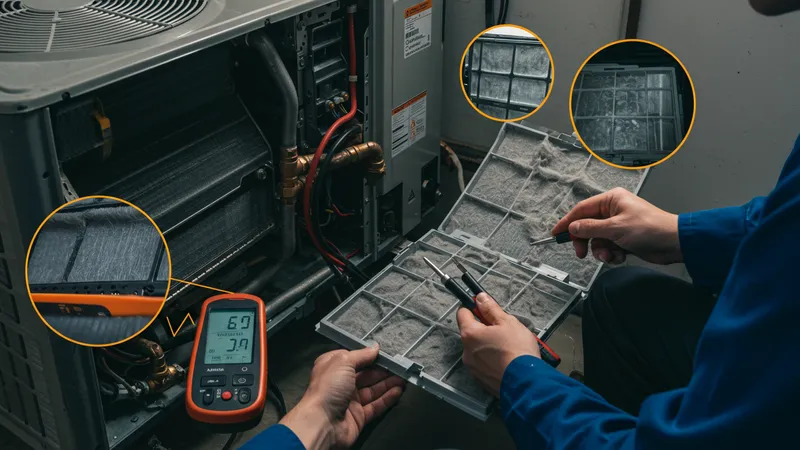
The technical examination of air filters is another important inspection aspect. Professionals generally check for visible dust buildup and structural damage. Clogged or damaged filters may restrict air movement, requiring the AC fan and compressor to operate for longer cycles. A well-documented routine of filter checks can help reduce system strain and may extend the functional period between occasional repairs.
Refrigerant circuit inspection typically addresses both safety and functional concerns. Detecting low or imbalanced refrigerant pressures may signal the presence of leaks or improper charge, which can negatively affect cooling efficiency. Credentials of service providers and reference to official material specifications add transparency to these evaluations. Repairs such as leak sealing or proper recharging are usually performed only after a comprehensive inspection confirms the need.
Electronics and system controls form the final inspection aspect considered by many service professionals. Routine testing of thermostats, sensors, and electrical connections may prevent errors related to inaccurate temperature sensing or relay switching. This area of inspection focuses on ensuring that the system responds consistently and safely to user-set conditions. The combined inspection regime helps build a foundation for ongoing, informed AC maintenance.
Undertaking regular AC service can bring several operational benefits related to system efficiency and occupant comfort. Enhanced airflow, reduced cycling time, and consistent temperature distribution are commonly observed outcomes following routine filter replacement and coil cleaning. Such improvements may reduce the stress on compressors and motors, which are critical for reliable long-term operation. Documentation of service intervals allows for better tracking and can inform future maintenance planning.
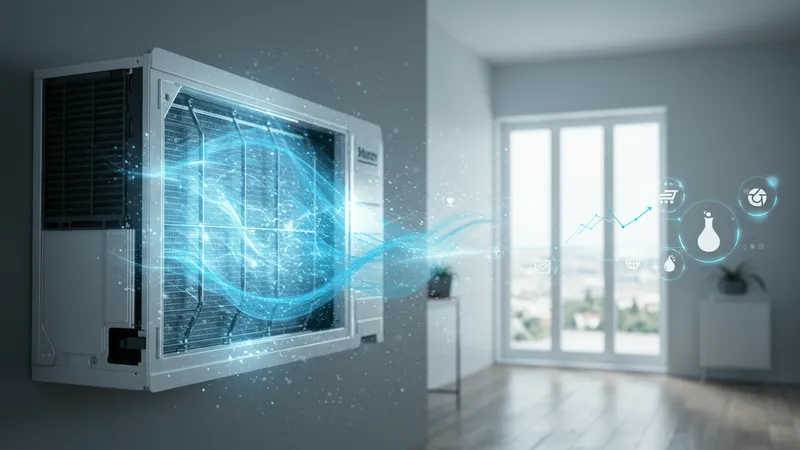
Another implication of routine AC service is energy management. Clean filters and balanced refrigerant levels typically support optimized energy consumption, as the system does not need to work as hard to maintain the set temperature. This may be reflected in more stable utility expenses over time, as indicated in technical resources like guidance from government energy offices. However, actual results can vary depending on unit age, climate, and use patterns.
There are often health and safety considerations linked to AC system performance. Accumulated dust or biological growth within the system can, in some cases, contribute to indoor air quality concerns. While routine care does not guarantee the elimination of all irritants, it may help mitigate the concentration and circulation of airborne particulates. External sources highlight the importance of filter maintenance and scheduled interior cleaning for maintaining a baseline indoor environment.
Long-term equipment durability is another consideration. Preventative checks may identify issues before they become severe, potentially reducing downtime and unexpected expenses. Many manufacturers highlight that evidence of consistent service can support warranty terms, although users should always consult their specific documentation. In practice, scheduled service often helps maintain a record of system health and usage.
The cost of AC service can fluctuate based on region, service provider, equipment type, and the specific elements included. Basic inspection packages, which cover visual cleaning and filter checks, may be offered at relatively modest rates. For residential split systems, general maintenance visits are typically estimated between $70 and $200 per session, depending on the complexity of the unit and service frequency. Commercial or multi-zone systems may involve higher costs due to their scale and component count.
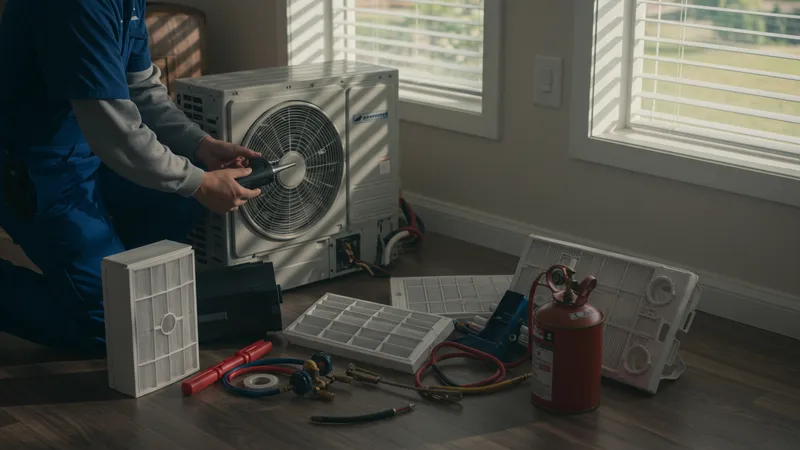
Material-related expenses—such as replacement filters or additional refrigerant—can influence the total service price. Standard filter types may range from $10 to $40, while specialty filters or high-efficiency options could be priced higher. If refrigerant adjustments are required, pricing will typically reflect both the refrigerant type used and regulatory policies related to handling and disposal. Costs for refrigerant can vary widely based on availability and environmental compliance requirements.
Labor charges are another primary influence on service pricing. Licensed professionals may charge hourly rates or flat fees for specific service packages. The cost of labor generally reflects technician experience, certification, and the time required to perform checks or minor repairs. Travel distance and scheduling flexibility may also be considered in some service calls, particularly in remote or high-demand areas.
Preventative maintenance plans are sometimes offered to distribute routine care over fixed intervals, potentially lowering per-visit charges. While no plan guarantees avoidance of repair costs, structured maintenance arrangements allow users to forecast expenses and ensure consistent monitoring. Flexibility in plan selection, session frequency, and included coverage provide users with options based on their system’s requirements and usage.
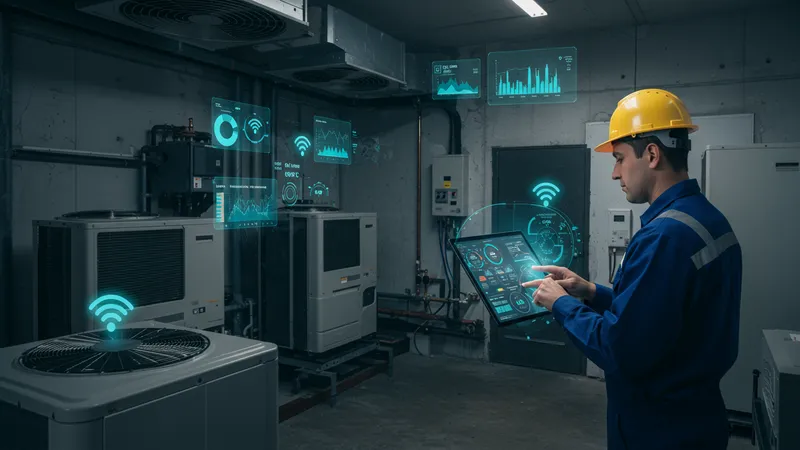
The AC service sector continues to evolve in response to shifts in technology, energy standards, and occupant expectations. Smart diagnostics and remote monitoring tools are being introduced to streamline maintenance and quickly identify performance variations. Some systems now use Wi-Fi-enabled sensors to provide real-time data on airflow, filter status, and temperature consistency, allowing technicians to adjust care routines based on current operating conditions rather than fixed schedules.
Environmental policies are increasingly shaping the direction of AC service practices. Regulations regarding the safe handling and phaseout of certain refrigerants have led service providers to adopt training and methods that support environmental stewardship. This may prompt adjustments in service protocols and encourage equipment design changes aimed at minimizing leakage risks and streamlining maintenance processes.
Another growing area of focus involves energy-efficient service techniques and materials. The use of high-performance filters, system retrofits, and consultation with official maintenance guides supports improved energy management. Industry organizations such as AHRI and ASHRAE provide ongoing updates and technical recommendations related to maintenance practices for both residential and commercial AC units.
Overall, regular service remains a crucial approach for supporting system performance and reliability. As technology advances and regulations evolve, service models may adapt to prioritize both functional and environmental outcomes. Continued attention to data-driven maintenance and transparent cost estimation is expected to characterize the future of AC system care.